Serve Robotics Teams with White Castle to Launch Robot-Powered Uber Eats Delivery
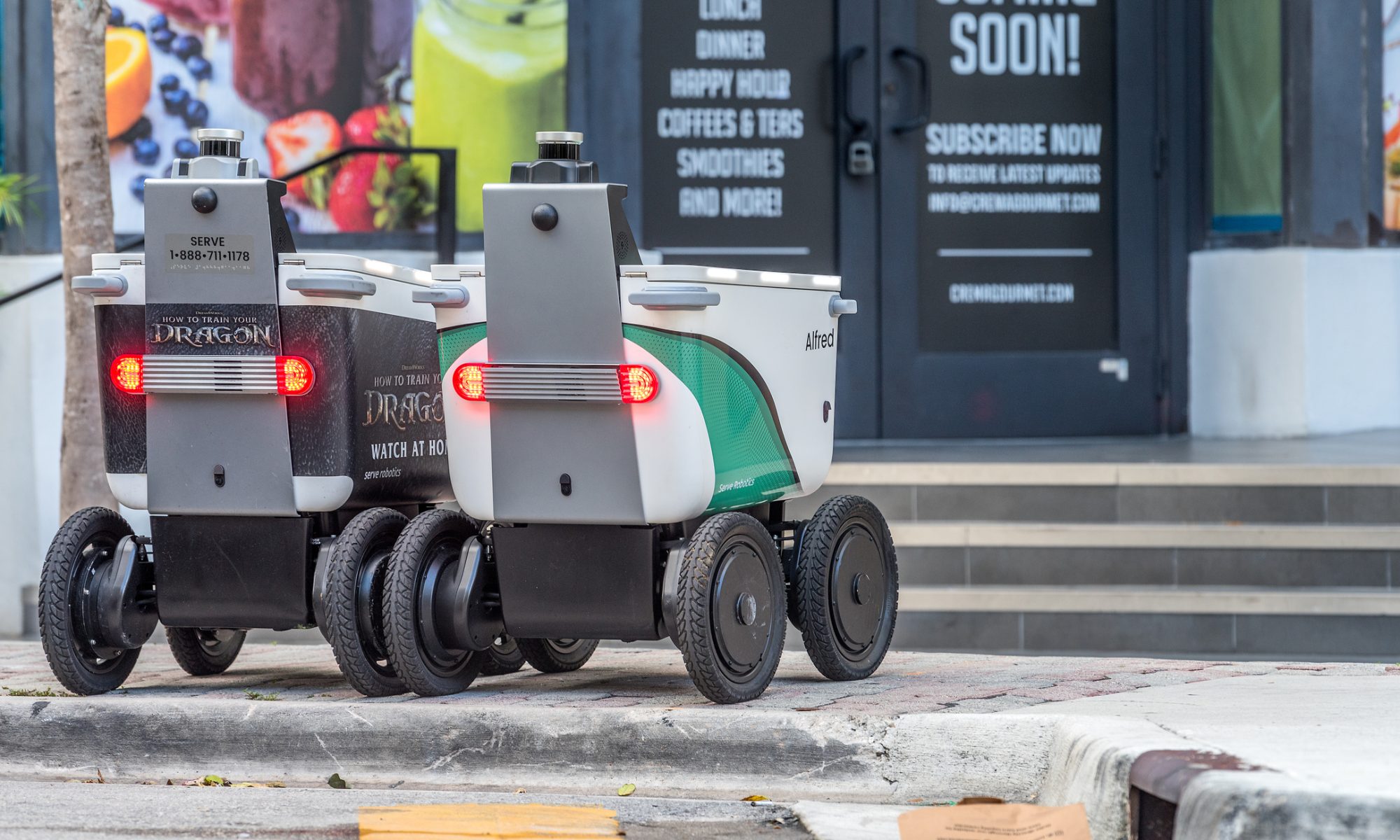
Serve Robotics, Inc. (NASDAQ: SERV) has partnered with White Castle to launch autonomous food delivery through the Uber Eats platform, expanding the use of AI-powered robots in last-mile restaurant delivery.
The initiative allows customers ordering from participating White Castle locations through the Uber Eats app to receive their meals via Serve’s self-driving sidewalk delivery robots, marking another step toward large-scale commercial deployment of autonomous delivery technology.
Autonomous delivery expands restaurant partnerships
Serve Robotics builds small, electric robots designed to navigate sidewalks and deliver food directly from restaurants to nearby customers. These robots operate without a human driver and are designed to complete short-distance deliveries quickly and efficiently.
Through the new partnership, White Castle joins a growing list of restaurant brands working with Serve Robotics to offer automated deliveries. Customers placing orders through Uber Eats may be assigned a robot courier if their delivery address falls within the robot’s service area.
The robots travel on sidewalks and use sensors, cameras, and AI navigation systems to safely move through urban environments while avoiding pedestrians and obstacles.
Growing network of robotic deliveries
Serve Robotics is rapidly expanding its delivery network across the United States. The company already operates robots in several cities including Los Angeles, Miami, Chicago, Dallas, and Atlanta.
The company has completed tens of thousands of deliveries from thousands of restaurant partners and has been steadily increasing its fleet as demand for autonomous delivery grows.
Serve has previously announced plans to deploy up to 2,000 autonomous delivery robots across U.S. markets, reflecting the company’s goal of scaling robotic delivery nationwide.
Why restaurants are exploring robotic delivery
Autonomous delivery robots are gaining attention across the food service industry because they can help reduce delivery costs and improve efficiency for short-distance orders.
Restaurants and delivery platforms are experimenting with robotics to address several challenges, including:
- high labor costs for delivery drivers
- increasing demand for fast last-mile delivery
- growing urban congestion
- sustainability goals through electric delivery vehicles
Serve’s robots are designed to provide a low-emission alternative to traditional vehicle-based delivery services.
Investor perspective
For investors, the partnership highlights Serve Robotics’ strategy to scale its AI-powered delivery platform through major restaurant brands and delivery marketplaces such as Uber Eats.
As automation expands across logistics and food delivery, companies developing reliable autonomous delivery technologies could benefit from a large and growing last-mile delivery market.
Bottom line
The partnership between Serve Robotics and White Castle represents another step toward mainstream adoption of autonomous delivery services. By integrating AI-powered robots with the Uber Eats platform, the companies are expanding the use of automated delivery technology in the fast-food industry while continuing to build the infrastructure for robotic last-mile logistics.