


SOPHiA GENETICS Introduces AI-Driven “Digital Twins” to Advance Data-Based Oncology Decision-Making
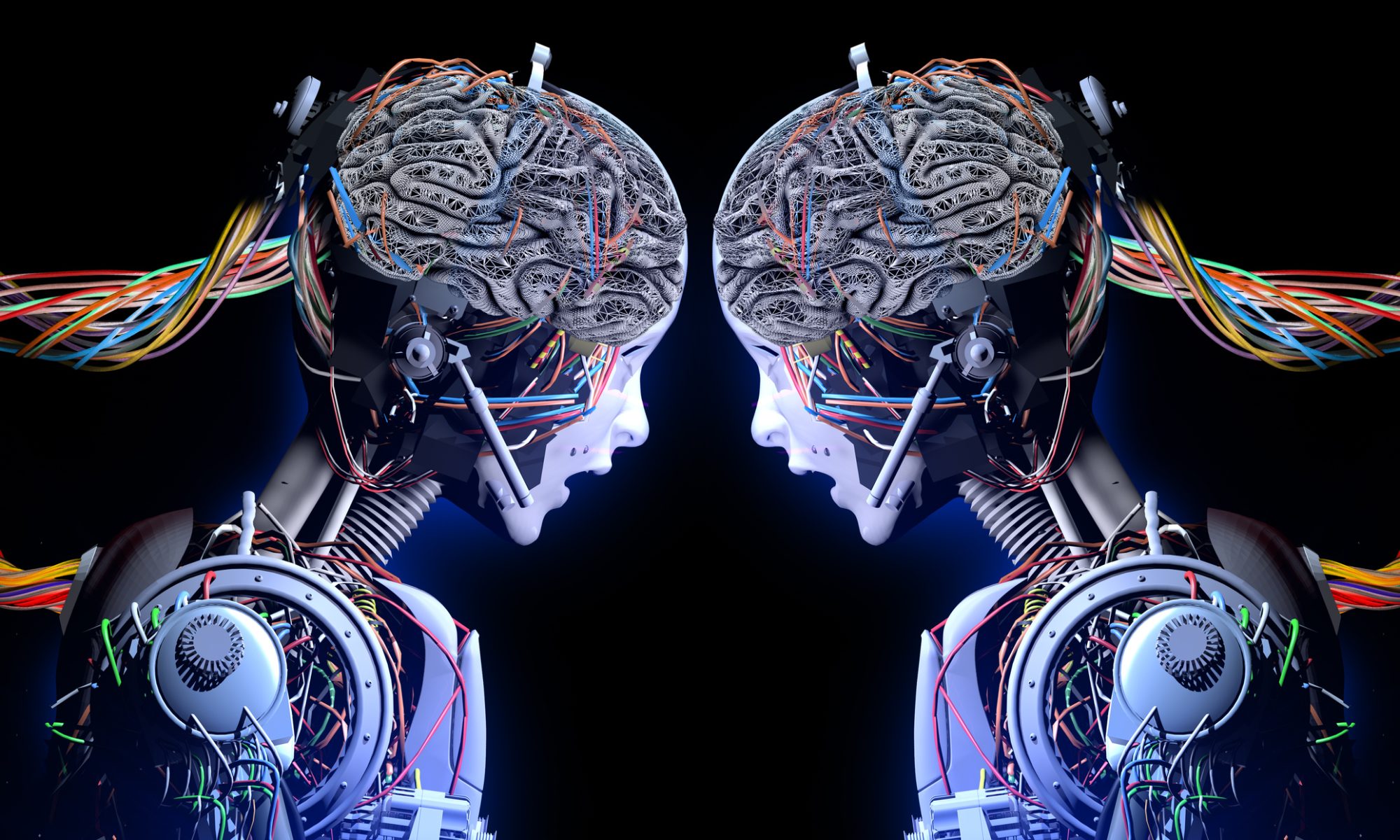
SOPHiA GENETICS (Nasdaq: SOPH) has unveiled a new research technology called SOPHiA DDM™ Digital Twins, designed to help oncologists simulate and evaluate cancer treatment strategies using artificial intelligence and multimodal data integration.
The platform creates dynamic, virtual “digital twins” of patients by combining genomic, clinical, biological, and imaging information into a computational model that mirrors the patient’s disease state. Physicians can then explore different therapeutic options in silico—testing how a tumor might respond to specific interventions or how disease progression could evolve over time—before making real-world treatment decisions.
AI-Enabled Modeling for Personalized Care
According to the company, the Digital Twins system draws on SOPHiA GENETICS’ existing network of de-identified cancer data from hospitals and research centers worldwide. By referencing this collective dataset, the model refines predictions and provides comparative insights from similar patient profiles.
Researchers and clinicians who have previewed the technology said it may help bring new precision to cancer management. Dr. Pierre Heudel, a medical oncologist at Centre Léon Bérard in France, noted that the framework allows “integrative visualization of multimodal oncologic data,” while Dr. Clara Montagut of Hospital del Mar called it “an important step forward” in anticipating treatment responses for complex tumors.
Potential to Inform Therapy Choices
Digital Twins will initially be available for lung-cancer research through the SOPHiA DDM™ Platform, with additional cancer types expected to follow. By running outcome simulations, the system aims to help clinicians identify the most promising therapies, avoid ineffective or overly toxic regimens, and explore relevant clinical-trial options.
The technology’s adaptive AI continuously learns as new real-world data are added, improving the model’s predictive power and enabling generation of synthetic datasets that mirror emerging disease patterns.
Broader Context in Precision Oncology
The initiative reflects a wider movement toward using advanced analytics and AI to support evidence-based, individualized care. Dr. Ernest Nadal of the Catalan Institute of Oncology described digital-twin modeling as “a robust, data-driven framework for hypothesis testing,” while Dr. Mariano Provencio Pulla of Puerta de Hierro University Hospital said the approach could be “transformative” in applying pre-surgical immunotherapy and other evolving treatment strategies.
SOPHiA GENETICS’ Co-Founder and CEO Jurgi Camblong emphasized that the goal is to move beyond static clinical data toward continuously learning systems that enhance both research and clinical decision-making. “Cancer is constantly evolving, and static snapshots are no longer enough,” he said.
Key Capabilities of the Digital Twins Platform
- Personalized modeling: Simulates likely responses to various therapies using patient-specific data.
- Efficiency and safety: May help reduce exposure to costly or ineffective treatments.
- Global intelligence network: Integrates one of the world’s largest de-identified cancer datasets to broaden the context for local patient care.
The launch coincides with the European Society for Medical Oncology (ESMO) Congress in Berlin, where SOPHiA GENETICS is showcasing the technology.












