Texas Instruments and NVIDIA Partner on Humanoid Robot Safety Technology
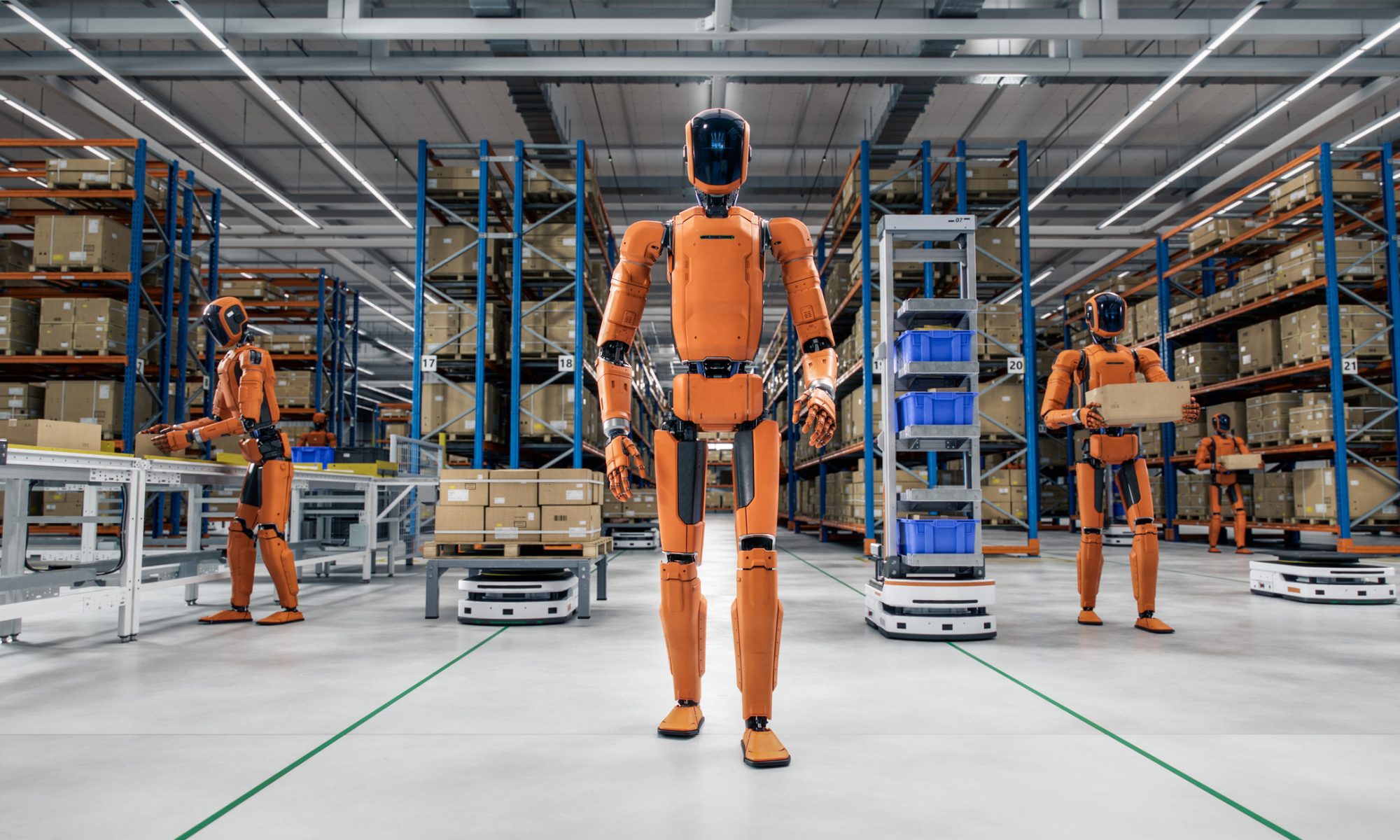
Texas Instruments (NASDAQ: TXN) has partnered with NVIDIA (NASDAQ: NVDA) to develop advanced technology aimed at improving the safety and performance of humanoid robots. The collaboration combines Texas Instruments’ sensing, motor control, and power management technologies with NVIDIA’s high-performance AI computing platforms to support the next generation of robotics and physical AI systems.
Combining AI Computing With Advanced Sensors
The partnership focuses on integrating Texas Instruments’ semiconductor technologies—including mmWave radar sensing, real-time motor control, and power management—with NVIDIA’s robotics computing platforms.
By combining radar and camera data through sensor-fusion technology, developers can enable humanoid robots to better detect obstacles, track movement, and navigate complex environments. This integrated approach helps improve perception accuracy and reduces the risk of false detections, allowing robots to operate more safely around people.
Improving Safety for Physical AI Applications
Humanoid robots require the ability to process large volumes of sensor data while simultaneously controlling movement and AI-driven decision making. The joint technology platform aims to deliver low-latency perception and real-time environmental awareness, allowing robots to respond quickly to dynamic surroundings.
Radar sensors also provide advantages over traditional camera systems by detecting objects that may be difficult to see visually, such as reflective surfaces or transparent materials, helping improve overall navigation reliability.
Accelerating Robotics Innovation
The collaboration highlights the growing convergence of semiconductor technology, artificial intelligence, and robotics. As demand increases for intelligent machines capable of operating in real-world environments, companies are investing heavily in technologies that improve safety, sensing, and autonomy.
Texas Instruments plans to demonstrate the integrated technology at NVIDIA’s GTC conference, showcasing how sensor fusion and AI computing can support the development of safer humanoid robots.
Investor Perspective
For investors, the partnership reflects expanding opportunities across the AI infrastructure and robotics ecosystem.
- Texas Instruments contributes expertise in industrial semiconductors, sensing technologies, and power systems.
- NVIDIA provides advanced AI computing platforms widely used in robotics and autonomous systems.
As humanoid robotics and physical AI applications continue to develop, collaborations between semiconductor and AI companies may play a key role in enabling large-scale deployment.
Bottom Line
The partnership between Texas Instruments and NVIDIA aims to enhance the safety and intelligence of humanoid robots by combining advanced sensing technologies with powerful AI computing. The collaboration underscores the rapid evolution of robotics and highlights the growing role of semiconductor innovation in enabling the next generation of physical AI systems.