Uber and Waabi Strike $1 Billion AI-Powered Robotaxi Deal
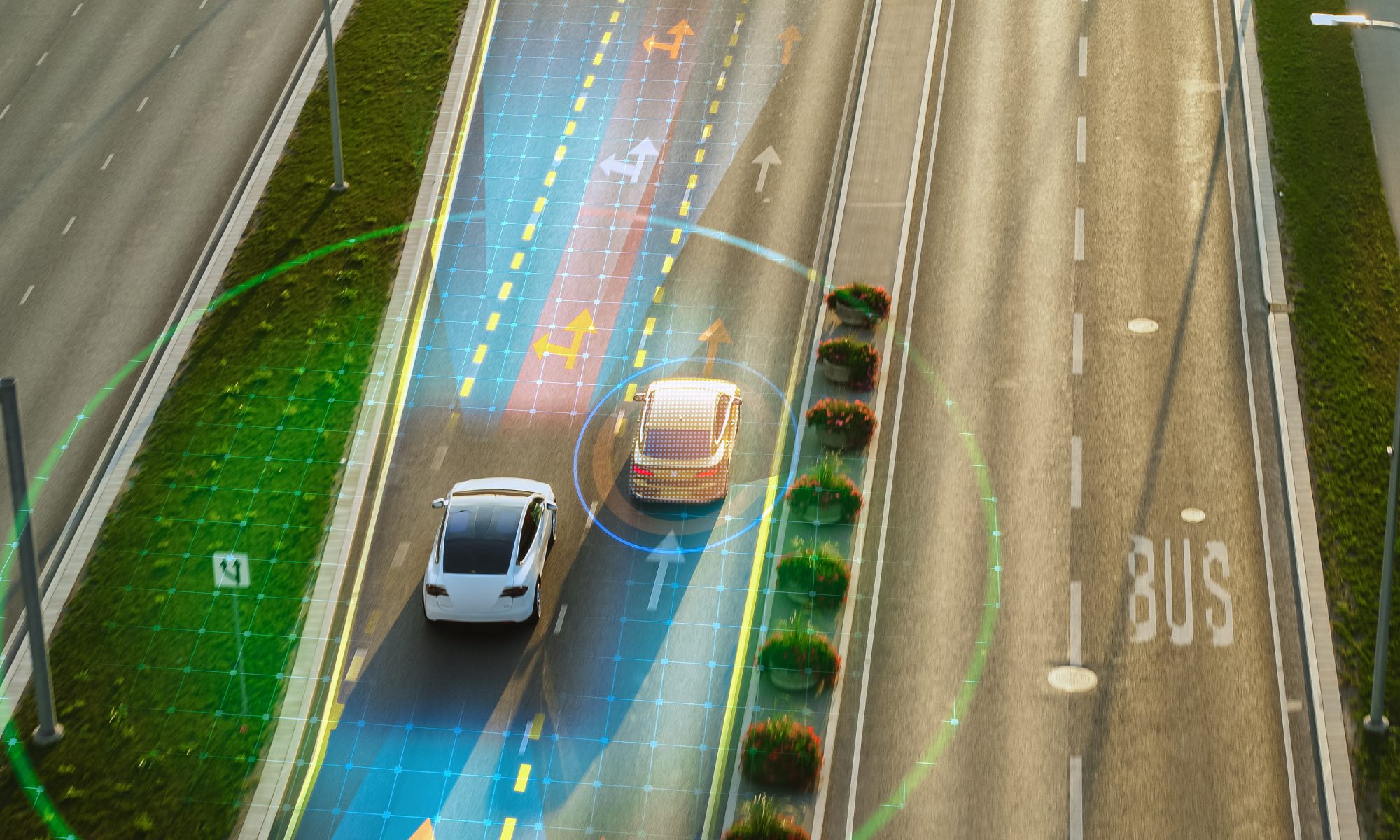
Uber Technologies (NASDAQ: UBER) has formalized a strategic partnership with Waabi to integrate autonomous vehicles into its ride-hailing network. This agreement follows Waabi’s announcement of a $1 billion Series C funding round dedicated to robotaxi development and deployment. This capital infusion allows the firm to transition from autonomous trucking into the passenger mobility sector.
Consequently, the deal provides Uber with a diversified pipeline of self-driving technology providers. It also signals a significant shift in how autonomous systems are trained and deployed. Investors should view this as a move to secure long-term capacity in a driverless future.
Capital Allocation
The $1 billion funding round represents one of the largest investments in the autonomous sector this year. This capital gives Waabi the necessary runway to compete with well-entrenched industry leaders. In view of the high costs of AI development, such a substantial raise is a prerequisite for market entry.
The funding will support the acquisition of specialized hardware and top-tier engineering talent. Uber’s participation in the round aligns its interests with Waabi’s technical success. Large-scale investments are now a requirement for any firm seeking to achieve Level 4 autonomy.
Strategic Integration
The partnership offers Uber a way to scale its autonomous offerings without the burden of internal hardware development. By comparison, earlier strategies involved costly in-house research divisions that weighed heavily on margins. This asset-light approach allows Uber to leverage external innovation across its global platform.
Because of this agreement, Waabi will gain access to Uber’s vast network of riders and logistical data. This creates a feedback loop that could accelerate the safety and reliability of the software. It also ensures that Waabi has a ready-made market upon commercial launch.
The Waabi Technical Edge
The core of this collaboration rests on Waabi’s “AI-first” approach to autonomous driving:
- The system relies on generative AI to simulate millions of complex driving scenarios.
- It reduces the need for expensive, high-mileage physical testing on public roads.
- The Waabi Driver system is designed for rapid integration across different vehicle types.
- This simulation-centric model significantly lowers the cost of data acquisition and processing.
- Uber will provide the commercial platform for the first fleet of Waabi-powered robotaxis.
- Initial deployments are slated to begin in select urban markets by early 2026.
Market Competition
In spite of the dominance of players like Waymo, the robotaxi market remains in its early growth stages. New entrants like Waabi are betting that superior AI models can overcome the lead of legacy players. With respect to market share, Uber remains the primary aggregator for all forms of urban mobility.
This partnership prevents Uber from becoming overly reliant on any single autonomous technology provider. It maintains a competitive environment that could lead to lower licensing costs in the future. Shareholders should monitor how these partnerships impact Uber’s overall take rate.
Investment Outlook
Ultimately, the $1 billion raise and Uber partnership validate the commercial viability of AI-native driving systems. The move addresses the high demand for efficient, scalable urban transport solutions. However, regulatory hurdles and safety certifications remain the primary risks to this timeline. Microsoft and other tech giants are also watching this space for potential cloud computing synergies.
For these reasons, the next twenty-four months will be a critical testing period for the venture. Success would solidify Uber’s position as the essential operating system for autonomous transit.
For more information on the company’s strategic partnerships and financial outlook, investors can visit the Uber (UBER) Investor Relations portal.