Vertical Aerospace Fires Up Automated Battery Line, Tightening the Link Between Certification and Revenue
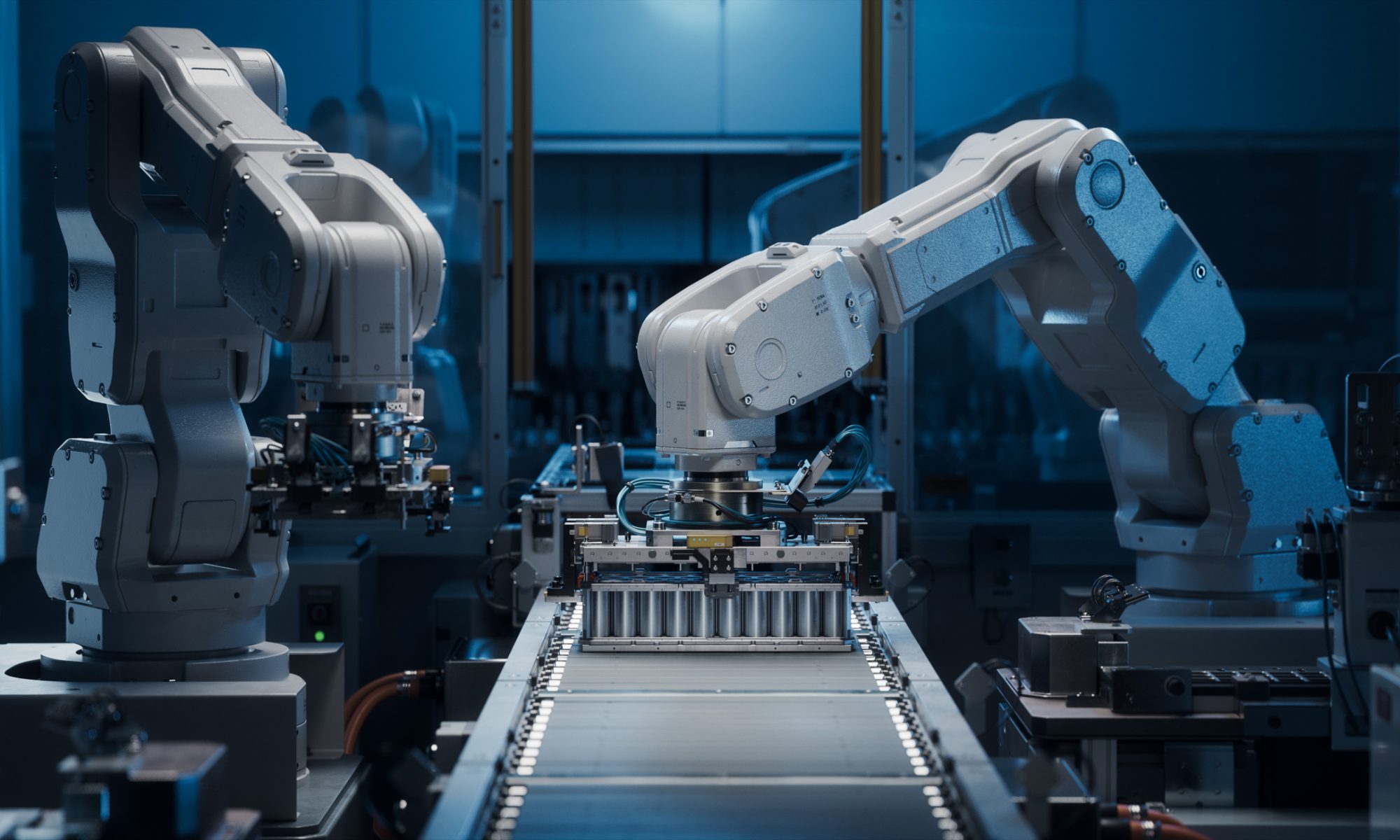
Vertical Aerospace (NYSE: EVTL) has switched on an automated battery pilot production line at its Vertical Energy Centre in the UK, a key milestone on the path to certifying and scaling its Valo eVTOL program.
Battery pilot line goes live
Vertical’s 15,000 sq ft Vertical Energy Centre, which has supplied battery systems for piloted flight tests since 2024, is now upgraded with automated, aerospace‑grade manufacturing processes. The proprietary packs have delivered up to 1.4 MW of peak power in flight testing, and the new line is designed to boost efficiency, consistency and performance while supporting certification‑grade production.
The pilot line will build final battery packs for seven Valo certification aircraft, which will be used in the last stages of the certification program with the UK CAA and EASA. It also provides initial capacity for early commercial production, with service entry targeted for 2028.
Strategic role of batteries in the EVTL model
Vertical is keeping its battery system in‑house even as it partners with tier‑one suppliers like Honeywell, Aciturri and Syensqo for other aircraft systems. Management sees the battery as a core technology and major value driver, powering both the fully electric Valo eVTOL and a hybrid‑electric aircraft program.
Beyond upfront aircraft sales, Vertical expects batteries to be a recurring revenue stream: it forecasts supplying roughly 20 battery packs per aircraft over its life, and up to about 45,000 packs across its fleet by 2035. That positions the energy system as a long‑tail aftermarket and replacement business, not just a one‑off shipset.
Scaling capacity: VEC2 and capex plans
Vertical is also developing Vertical Energy Centre 2 (VEC2), a 30,000 sq ft powertrain hub adjacent to the current site that will roughly triple battery production capacity. VEC2 is expected to open later this year, and by 2027 the company anticipates investing about £6.4 million (roughly $8.5 million) across VEC and VEC2 to support its planned manufacturing ramp.
Jobs, footprint and next manufacturing decision
The company currently employs around 450 people in the South West of England and plans to name the locations of its future full‑rate production and battery facilities later this year, with both UK and international sites under consideration. As it scales to serial production, Vertical expects its manufacturing ecosystem to support at least 2,220 highly skilled jobs by 2035.
For EVTL investors, the takeaway is that Vertical is trying to de‑risk certification and early commercialization by bringing battery production in‑house early, tying its industrial roadmap directly to its certification timeline and positioning batteries as a structural aftermarket revenue lever rather than a cost center.