Viking Therapeutics Shares Jump 36% After New Obesity Data Shows Patients Keep the Weight Off
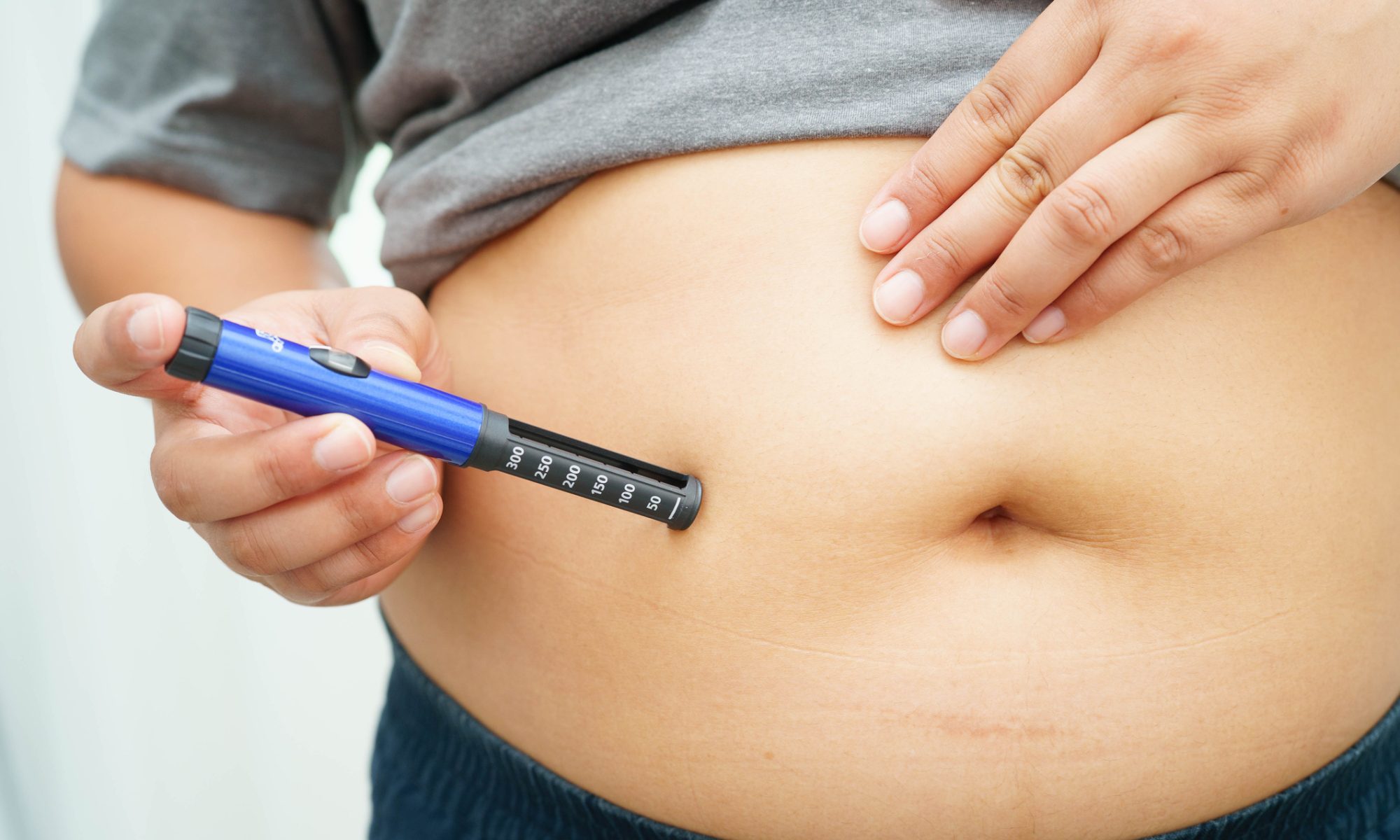
Viking Therapeutics (Nasdaq: VKTX) shares rose 35.7% to close at $40.85 on Tuesday. The rally followed new clinical data for VK2735, the company’s experimental weekly injection for weight loss. The results showed significant weight loss and, just as importantly, showed that patients held on to most of that loss after switching to less frequent doses. As a result, the San Diego company now looks like a more serious challenger to Eli Lilly (NYSE: LLY) and Novo Nordisk (NYSE: NVO) in the fast-growing obesity drug market.
Key Points
- Patients on weekly VK2735 lost 16% to 19% of their body weight over 21 weeks, compared with about 0% on placebo.
- The weight loss showed no sign of leveling off, which suggests patients could lose more with longer treatment.
- In a 12-week maintenance phase, patients dosed every other week kept up to 97% of their weight loss, and monthly dosing kept up to 90%, compared with 61% for placebo.
- Stomach-related side effects during maintenance were similar to placebo, and few patients dropped out.
- Morgan Stanley (NYSE: MS) projects that annual obesity drug sales could reach $150 billion by 2035.
VK2735 Delivers Strong Weight Loss for Viking Therapeutics (Nasdaq: VKTX)
In the first phase of the study, patients took VK2735 once a week for 21 weeks. By the end of that period, they had lost between 16% and 19% of their body weight, depending on the dose, while the placebo group saw almost no change. The results also showed that patients kept losing weight steadily throughout the treatment period. That trend points to further gains with longer dosing.
Maintenance Data Takes On a Key Industry Problem
Next, Viking moved patients onto less frequent maintenance doses for another 12 weeks, and this is where the data stood out. Patients who switched to every-other-week injections kept up to 97% of their weight loss, and those on monthly injections kept up to 90%. By contrast, the placebo group kept only 61%.
This matters because keeping patients on treatment long term is one of the biggest challenges for obesity drugs. Many patients stop taking GLP-1 therapies because of side effects, cost or the hassle of weekly shots, and they often regain the weight. Flexible, less frequent dosing could make long-term treatment much easier to stick with.
Tolerability also looked strong. During the maintenance phase, stomach-related side effects, the most common complaint with this class of drugs, were in line with placebo. In addition, only a small share of patients stopped treatment.
Viking CEO Brian Lian said the company believes flexible dosing will help “improving long-term adherence to therapy and sustained weight management.”
Taking On Eli Lilly (NYSE: LLY) and Novo Nordisk (NYSE: NVO)
Right now, Eli Lilly, with Zepbound and Mounjaro, and Novo Nordisk, with Wegovy and Ozempic, dominate the obesity market. However, demand keeps growing quickly. Morgan Stanley estimates that annual obesity drug sales could reach $150 billion by 2035, which leaves plenty of room for new players with competitive drugs.
With these results, Viking has strengthened its position as one of the leading independent developers in the category. Consequently, its stock has outperformed both industry leaders so far this month. Barron’s also highlighted a Morgan Stanley note this week listing “moonshot” biotech names that could break out.
What Comes Next for Investors
For investors, the key questions now shift to Viking’s late-stage development plans, how it will manufacture at scale, and whether a larger drugmaker might partner with or acquire it. Tuesday’s move pushed the stock sharply higher, so future gains will likely depend on Viking turning these mid-stage results into a clear path to approval.