PRISM Q&A CORNER
Erez Aminov, MIRA Pharmaceuticals
Can a Non-Opioid Pill Ease Chemo Nerve Pain? MIRA Pharmaceuticals Is About to Find Out.

After completing Phase 1 without serious adverse events, MIRA’s investigational oral pain drug is preparing for its first trial in patients with chemotherapy-induced nerve pain. CEO Erez Aminov explains what the study is designed to show and where the pipeline goes from here.
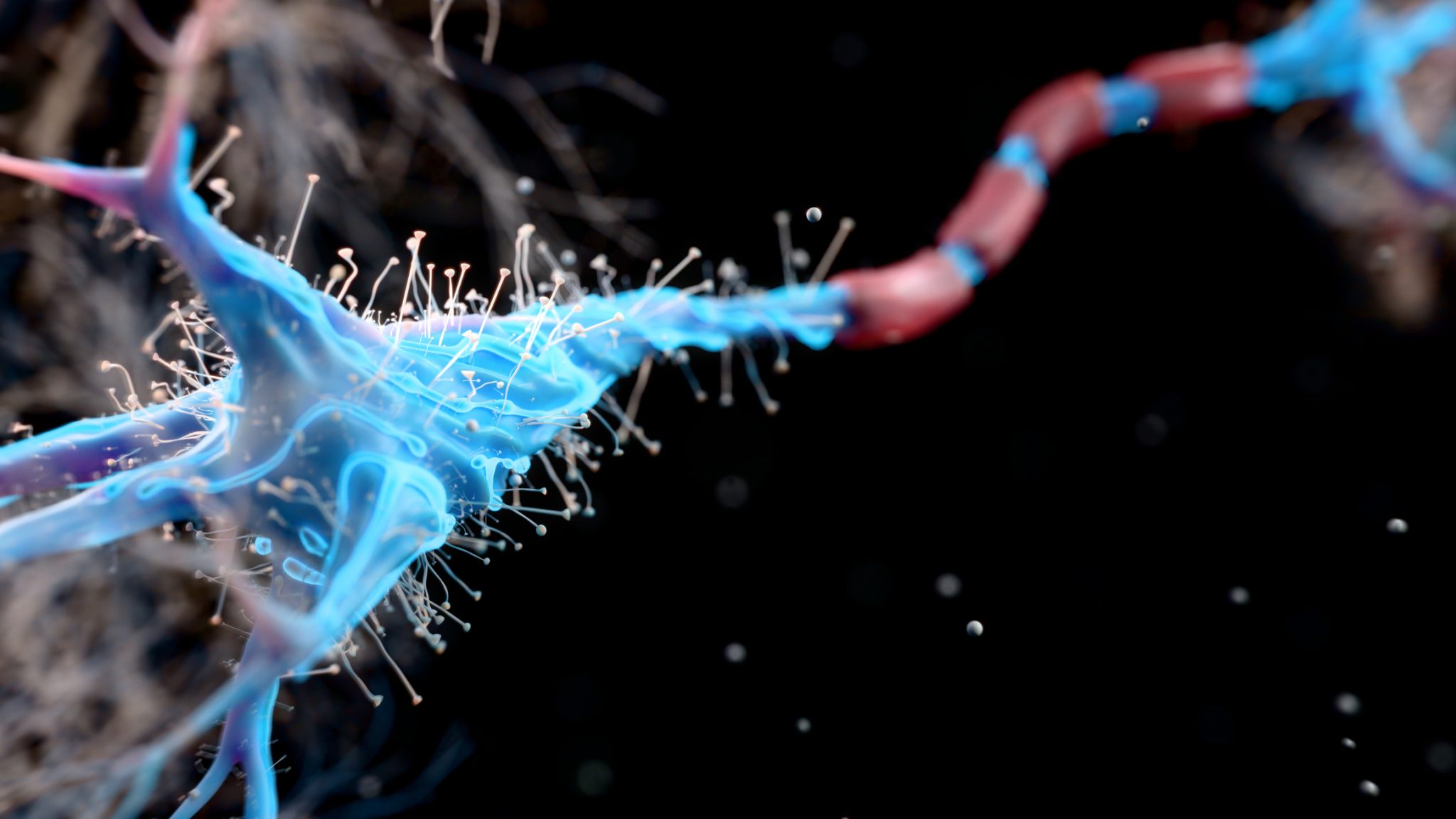
Many cancer patients finish chemotherapy only to find the damage isn’t over. The drugs can injure peripheral nerves, leaving numbness, burning and pain in the hands and feet that persist long after treatment ends. No drug is approved by the FDA to treat it.
MIRA Pharmaceuticals (NASDAQ: MIRA) believes its lead candidate, Ketamir-2, could fill that gap. The oral drug, which modulates the NMDA receptor, completed Phase 1 in 56 people without a serious adverse event and without the dissociation or hallucinations associated with ketamine, the anesthetic it is related to, and its pharmacokinetics supported once-daily dosing. In early 2027, MIRA plans to start a randomized, placebo-controlled Phase 2a trial in chemotherapy-induced neuropathy, the drug’s first test in patients with the condition.
Behind Ketamir-2, two earlier-stage oral candidates are advancing toward the clinic: MIRA-55, a cannabinoid-based pain drug that matched celecoxib’s pain relief in a preclinical study and is targeting an IND submission in early 2027, and SKNY-1, which reduced body weight and fat mass in a preclinical obesity model. The DEA has determined that none of the three is a controlled substance. Ketamir-2 remains the near-term priority, and MIRA is pursuing partnership discussions, including in Japan, that could help advance the broader pipeline.
We spoke with Chairman and CEO Erez Aminov about what the Phase 2a study is designed to show, the opportunities across MIRA’s pipeline and the milestones ahead.
Key Investor Takeaways
- Ketamir-2 completed Phase 1 in 56 subjects with no serious adverse events and no observed dissociation or hallucinations; its pharmacokinetics support once-daily dosing.
- The Phase 2a CIPN study will evaluate 300 mg and 600 mg doses, with site initiation targeted for Q1 2027.
- MIRA-55 showed pain relief comparable to celecoxib over three weeks without observed tolerance; an IND submission is targeted for Q1 2027.
- The DEA has determined that Ketamir-2, MIRA-55 and SKNY-1 are not controlled substances.
- Ketamir-2’s Phase 2 study is the near-term capital priority, and MIRA is pursuing licensing and co-development discussions, including recent partnering meetings in Japan.
We chose these areas because the needs are still significant. Across neuropathic and inflammatory pain, many patients need better and safer options. There is no FDA-approved treatment specifically for chemotherapy-induced peripheral neuropathy, and existing options for inflammatory pain can have important limitations. In obesity, current approaches don’t meet every patient’s needs. What ties our programs together is our focus on developing differentiated oral medicines to address these gaps.
Ketamir-2, your lead asset, is preparing to enter Phase 2a in chemotherapy-induced peripheral neuropathy, a condition with no FDA-approved treatments. Why is CIPN the right entry point into the broader neuropathic pain market, and what would the trial need to show to validate the program?
Ketamir-2 is a selective NMDA modulator, and our Phase 1 results were encouraging. In our study of 56 subjects, it was well tolerated, with no serious adverse events or observed dissociation or hallucinations, and its pharmacokinetics supported once-daily dosing. NMDA receptor signaling is implicated in chemotherapy-induced neuropathic pain, and in our animal models, Ketamir-2 normalized CIPN-related measures. CIPN gives us a focused way to evaluate the program. Our Phase 2 study will assess whether those findings translate into a meaningful pain signal while evaluating safety and tolerability. Positive results could support exploring Ketamir-2 in other neuropathic pain conditions.
MIRA-55 recently showed pain relief comparable to celecoxib over three weeks, without observed tolerance. Cannabinoid-based drugs have historically struggled to separate therapeutic benefit from psychoactive effects. How is MIRA-55 designed to address that, and what has to happen between now and the IND submission planned for the first quarter of 2027?
MIRA-55 has a differentiated, pathway-dependent CB1/CB2 profile and is designed to preserve therapeutic activity while minimizing THC-like psychoactive effects. In preclinical studies, it showed no detected catalepsy or locomotor impairment. In an acute inflammatory pain model, it produced pain-relieving activity similar in magnitude to injected morphine. The next steps are completing IND-enabling toxicology and securing funding to support the planned IND submission.
MIRA has delivered a steady series of preclinical and regulatory milestones, yet shares remain under pressure. What do you believe investors are underappreciating about the pipeline, and how should they think about value creation as the company moves from preclinical into clinical development?
I believe investors are underestimating MIRA based on what we have today. Ketamir-2 has completed Phase 1, and our programs address major unmet needs in pain and obesity. For context, global obesity-medicine sales reached about $66 billion at list prices in 2025, and Eli Lilly agreed to acquire SiteOne for up to $1 billion, including a Phase 2 ready pain candidate. Those aren’t direct comparisons to MIRA, but they show the scale of the markets and pharma’s strategic interest. We believe our current valuation does not fully reflect our pipeline or the milestones ahead. As Ketamir-2 advances toward Phase 2, those milestones will give investors important data to assess our progress and potential.
Our near-term capital priority is Ketamir-2’s Phase 2 proof-of-concept study. We’re actively discussing licensing and co-development opportunities, including through recent partnering meetings in Japan, to bring in expertise and potential non-dilutive funding, while evaluating other financing options. I’m committed to advancing these programs with discipline and seeing their potential through for patients who need better options.