PowerBank Targets January 2026 Start for 4.99 MW Battery Storage Project
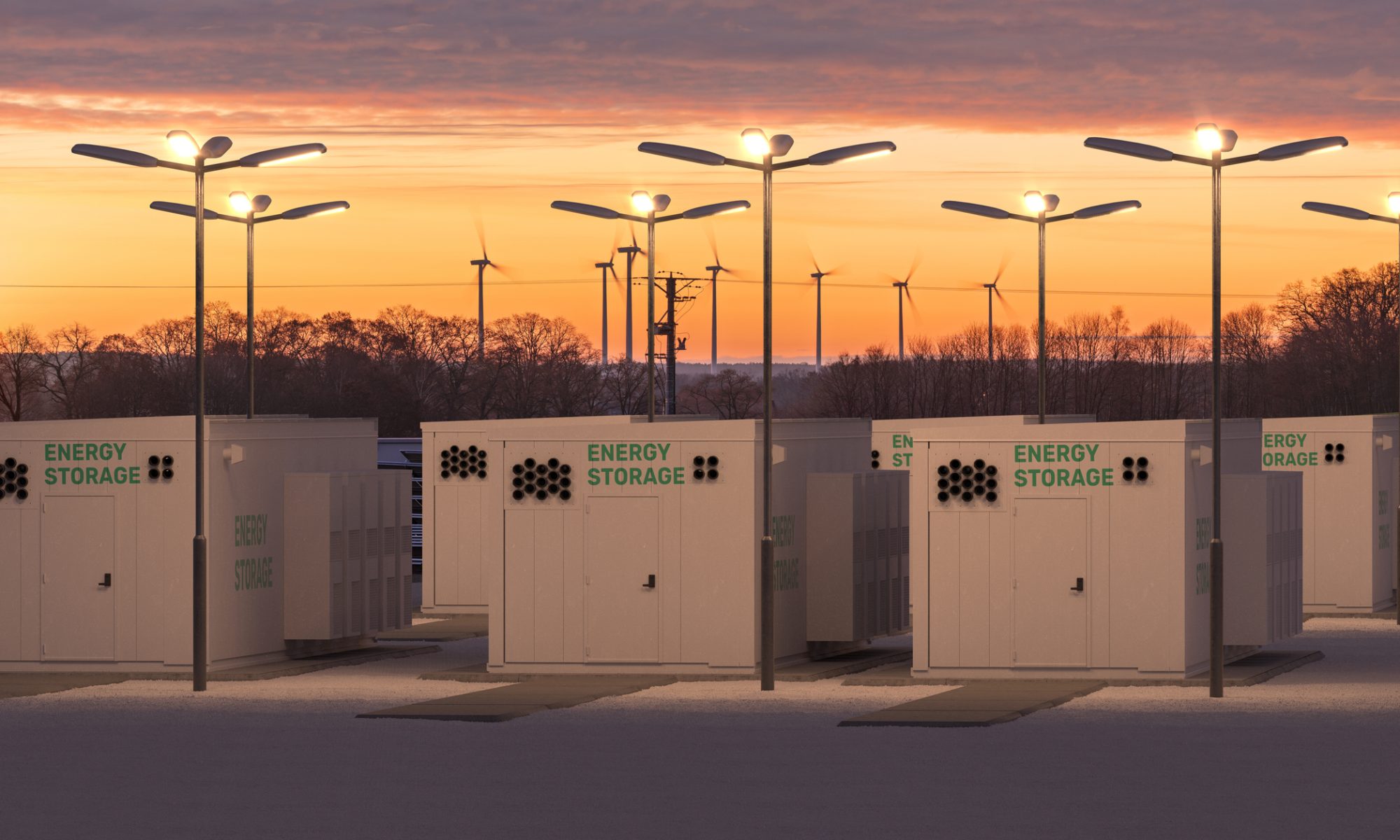
PowerBank Corporation (NASDAQ: SUUN) reported that its 4.99 megawatt (MW) battery energy storage system (BESS) project is on track to reach commercial operation in January 2026, marking a key development milestone in the company’s growing energy infrastructure portfolio.
Near-Term Operational Milestone
The 4.99 MW BESS project — part of PowerBank’s expanding pipeline of utility-scale storage assets — is progressing through final construction, testing, and interconnection processes. The company anticipates achieving commercial operation date (COD) in January, positioning the project to begin generating revenue shortly thereafter under its planned offtake or market participation framework.
Achieving COD on time will be a meaningful execution achievement, supporting near-term visibility into topline contributions and laying groundwork for future storage deployments.
Strategic Importance of Battery Storage Assets
Battery energy storage systems are increasingly critical components of modern power grids, enabling:
- Load balancing and peak capacity management
- Integration of intermittent renewable energy (e.g., solar and wind)
- Ancillary services such as frequency regulation and reserve capacity
For PowerBank, moving storage assets into commercial service diversifies the company’s revenue base beyond solar project development and strengthens recurring cash flow potential as markets transition toward cleaner, more resilient energy infrastructure.
Supporting Broader Portfolio and Growth Strategy
The 4.99 MW BESS is one of several storage projects in PowerBank’s pipeline, which spans multiple states and utility territories. Bringing the asset online supports the company’s strategy to scale its energy storage footprint, capture demand from utilities and grid operators improving reliability, and leverage policy incentives that favor grid flexibility solutions.
Investor Implications
- Execution Confidence: On-schedule COD reinforces PowerBank’s operational capabilities in delivering complex energy infrastructure projects.
- Revenue Visibility: Commercial operation unlocks the potential for contracted revenues or market-based energy services, depending on power and ancillary service agreements.
- Sector Tailwinds: Growing adoption of utility storage amid renewable integration and grid modernization augments long-term demand fundamentals for PowerBank’s offerings.
As PowerBank transitions this battery asset into revenue generation, investors may see it as a validation point for the company’s storage-centric growth thesis.